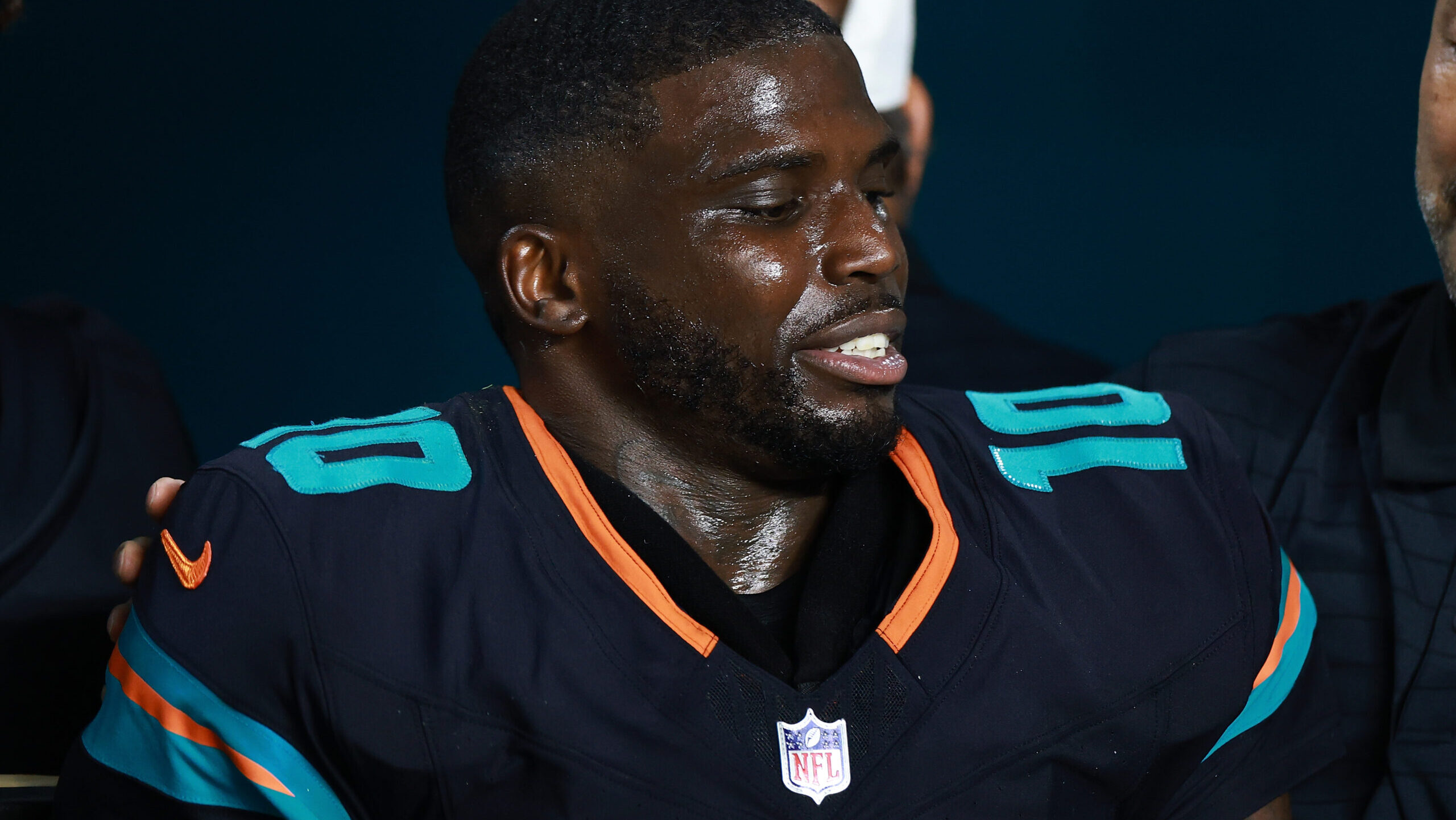
EXCLUSIVE: Twenty years later, Raheem DeVaughn is still showing R&B artists how ownership works
Two decades after “The Love Experience,” the indy R&B veteran is still building a blueprint for ownership that today’s artists

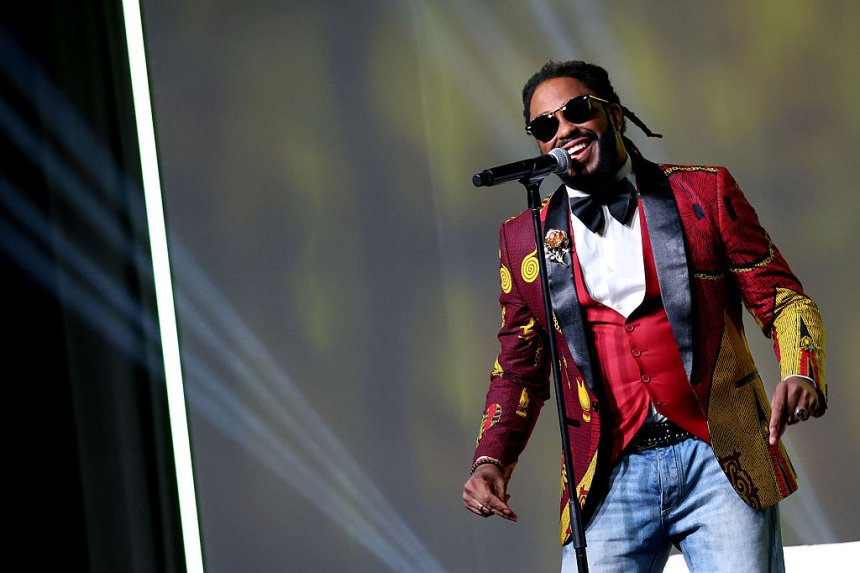
Two decades after “The Love Experience,” the indy R&B veteran is still building a blueprint for ownership that today’s artists are only now embracing.
There’s a certain kind of artist Black music fans protect with their whole chest.
The ones whose music became part of the rhythm of our lives. The ones playing through dorm rooms, road trips, late-night phone calls, basement kickbacks, and slow dances at the family reunion. The ones whose albums lived in CD binders, LimeWire downloads, and carefully curated MySpace pages. The ones who may not always receive the loudest industry push, but somehow never leave the culture.
Raheem DeVaughn is one of those artists.
And maybe that’s what makes his career so fascinating.
For more than 20 years, the self-proclaimed “Love King” has consistently created emotionally intelligent, deeply rooted Black love music while quietly helping shape the business conversations many artists are only now catching up to. Long before social media began celebrating “soft masculinity,” vulnerability, and emotionally available men in R&B, DeVaughn was already building an entire catalog around tenderness, accountability, romance, and emotional depth.
Albums like “The Love Experience,” “Love Behind the Melody” and “The Love & War MasterPeace” helped define a specific era of grown Black music that prioritized storytelling over spectacle and intimacy over algorithms.
Yet despite Grammy nominations, chart success, radio dominance, and one of the most loyal fan bases in R&B, DeVaughn’s name is rarely centered in larger conversations about the genre’s modern evolution.
Backstage during the “Say Yes” tour stop in Houston alongside Floetry and Teedra Moses, DeVaughn reflected on longevity, ownership, independence, and why he believes artists must stop waiting for the industry to validate their value.
“This music is food for the soul,” he told TheGrio.
And for many Black listeners, his catalog has been exactly that.
Part of what has made DeVaughn’s career endure is his refusal to exist in only one lane. Beyond music, the Washington, D.C. native has steadily expanded into radio, entrepreneurship, artist development, philanthropy, and community advocacy while maintaining the kind of consistency many artists lose chasing trends.
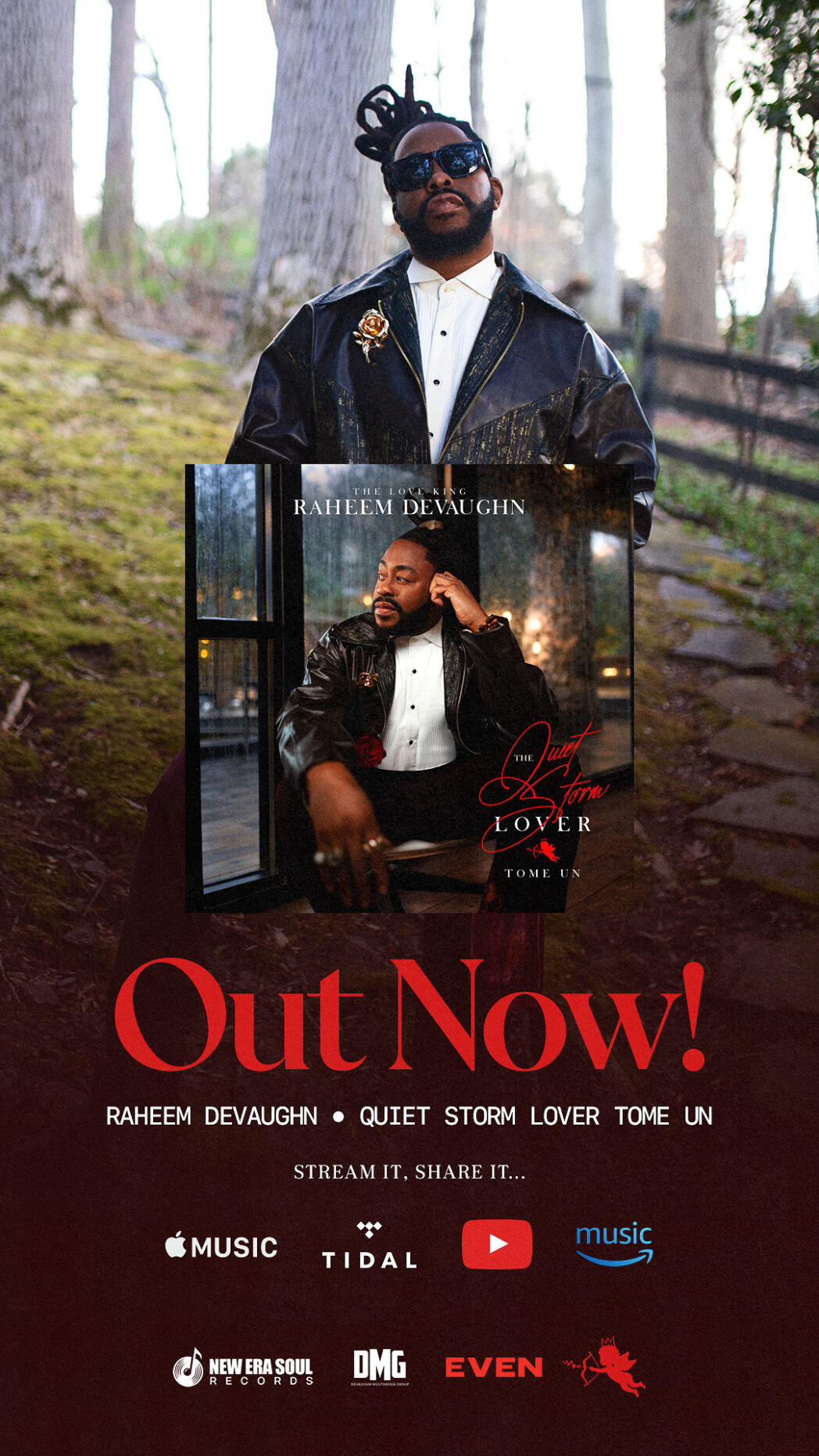
Today, he hosts the legendary “Quiet Storm” on WHUR, inheriting a cultural institution deeply tied to Black radio history and the legacy of the late Melvin Lindsey. His latest project, “The Quiet Storm Lover,” intentionally bridges those worlds: classic soul storytelling mixed with the wisdom of someone who has survived multiple eras of the music industry without losing himself.
“I’m the offspring of Prince Rogers Nelson in terms of the independence and the mindset and the business set of the blueprint he laid out for us,” DeVaughn explained, also citing James Brown and Keith Sweat as inspirations.
“You can’t have those conversations and not mention Keith Sweat,” he added. “He’s been very vocal about independence and ownership.”
That ownership conversation has become central to DeVaughn’s current chapter.
As major artists increasingly search for alternatives to traditional label structures, DeVaughn has already spent years living inside that reality. He released “The Quiet Storm Lover” through EVEN, a direct-to-fan platform allowing artists to retain a larger share of revenue while building direct relationships with supporters.
“I saw artists had an opportunity to make 80% of the revenue,” he said. “I loved everything about it.”
Now, as artists like Chris Brown, J. Cole, and others embrace similar direct-distribution models, DeVaughn sees the shift as confirmation of something independent artists have long understood: ownership matters more than optics.
The irony is that even while operating outside the traditional major-label machine, he continues finding new life in records the industry may have already moved on from.
His reimagined version of “You,” released in celebration of the song’s 20th anniversary, recently surged back onto the charts, peaking at no. 9 and living on the Billboard UAC Radio Media Base for 13 weeks. But according to DeVaughn, the decision to revisit the record wasn’t rooted in nostalgia alone. It was rooted in control.
“When I redid the song, it was out of frustration,” he admitted, referencing ownership complications surrounding the original master recording. “To control a master is a very powerful thing in this business.”
Instead of waiting for permission, he recreated the record himself.
“To now get the roses for something that I did 20 years ago and to make sure that it gets its just due, I’m going to continue to preach ownership and lead by example,” he said.
That philosophy feels especially relevant in today’s music landscape, where artists are increasingly revisiting old catalogs, rerecording masters, and discovering that longevity can often outlast hype. DeVaughn believes too many artists spend their careers chasing the “next” thing while ignoring the value of the work they’ve already created.
“Go through your catalog,” he said. “You don’t have to compromise your soul or your art for it to be heard.”
Even beyond the music business conversation, DeVaughn continues using his platform in deeply community-centered ways. He’s the founder of Love Life Foundation, and his ongoing partnership with Gilead Sciences focuses on HIV awareness, prevention, and treatment, particularly within Black communities and among Black women.
“I feel like Black women are the most disrespected on the planet,” he said. “Any opportunity that I can to wave a flag for them, protect them, encourage them, be a voice for them or create anthems, I’m always here for it.”
That perspective has long shaped both his public persona and his music. For many listeners, Raheem DeVaughn’s records never simply sounded romantic. They sounded intentional. Protective. Grounded. Adult.
And maybe that’s part of why his audience has remained so loyal for so long.
In an era where R&B conversations often revolve around virality, controversy, and social media discourse, DeVaughn has quietly stayed committed to craftsmanship, live performance and emotional honesty. No gimmicks. No desperate reinventions. Just consistency.
That consistency was visible throughout the “Say Yes” tour, where DeVaughn joined Floetry during the duo’s long-awaited reunion run after years apart.
“To see them loving on each other, getting along, with their families out here… it’s been great,” he said. “I’m definitely pushing and advocating for a new Floetry album.”
For DeVaughn, the reunion represented something larger than nostalgia. It represented healing, growth and proof that grown Black artistry still resonates deeply when given room to breathe.
And judging by the crowds still showing up more than two decades later, audiences never stopped believing that either.
Maybe Raheem DeVaughn was never overlooked by the culture at all.
Maybe the industry simply underestimated how long real soul music could last.
Share
What's Your Reaction?
 Like
0
Like
0
 Dislike
0
Dislike
0
 Love
0
Love
0
 Funny
0
Funny
0
 Angry
0
Angry
0
 Sad
0
Sad
0
 Wow
0
Wow
0