Black unemployment is nearing twice the white rate. Economists say America should pay attention
Black workers are once again feeling economic instability first as Trump administration job cuts and a stagnant labor market add

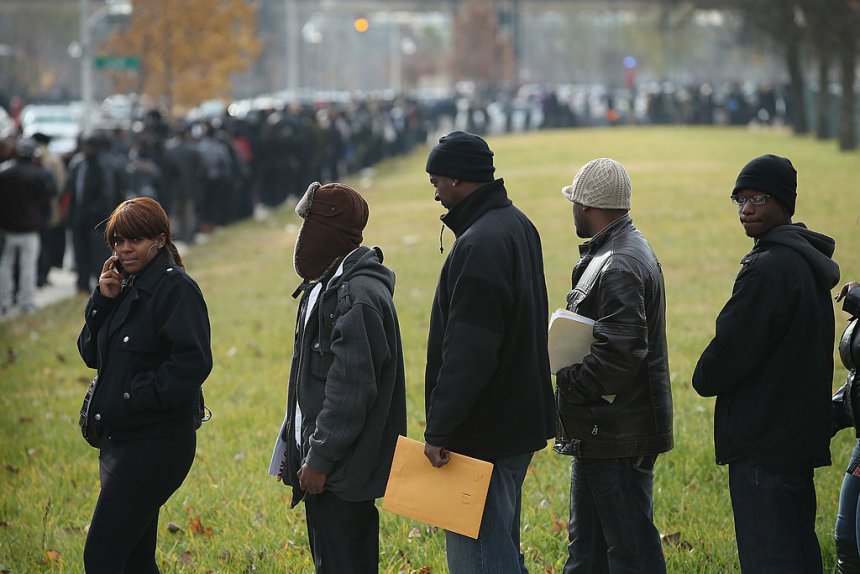

Black workers are once again feeling economic instability first as Trump administration job cuts and a stagnant labor market add pressure.
Black unemployment under the second administration has been bumpy, to say the least. While the jobless rate among Black Americans has seen a low of 6%, it has also seen highs not seen since the COVID-19 pandemic at 8.2%
Last month, the Black unemployment rate jumped back to 7%, a full percentage point higher than the prior month. That is highest increase since the start of the pandemic in 2020. The steadily increasing rate of Black people who can’t find work is both historically familiar and a potential warning for the broader economy.
“The adage goes, when the economy gets the cold, Black America gets the flu. That’s sort of what we see time and again,” says Angela Hanks, a former U.S. Department of Labor official in the Biden administration who now serves as chief of policy programs at The Century Foundation.
Hanks tells theGrio the most recent jobs report shows that more Black workers entered the job market seeking employment. However, what they found was something she says captures “the story of the Trump economy.”
“You saw a bunch of workers kind of come off the sidelines because they thought there was a chance for them to get a job, and the result was that many people didn’t,” the economist explained.
The Black unemployment rate is now close to double the rate of white workers, which is not a new phenomenon in the U.S. job market.
“This is an economy that’s marked by a really high degree of uncertainty, and that is, as always, especially true for Black workers,” explained Hanks. “When there is any kind of downturn, or any kind of increased uncertainty in the labor market, it’s Black workers who feel it first.”
So what exactly is driving rising Black unemployment?
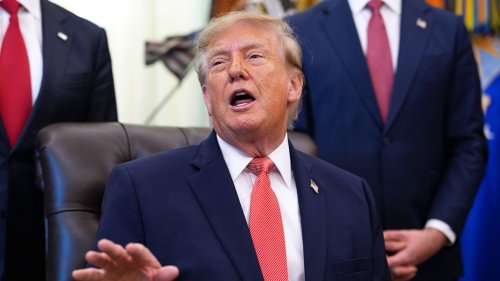
Gbenga Ajilore tells theGrio that President Donald Trump‘s policies are directly responsible for the number of Black Americans who are out of a job. 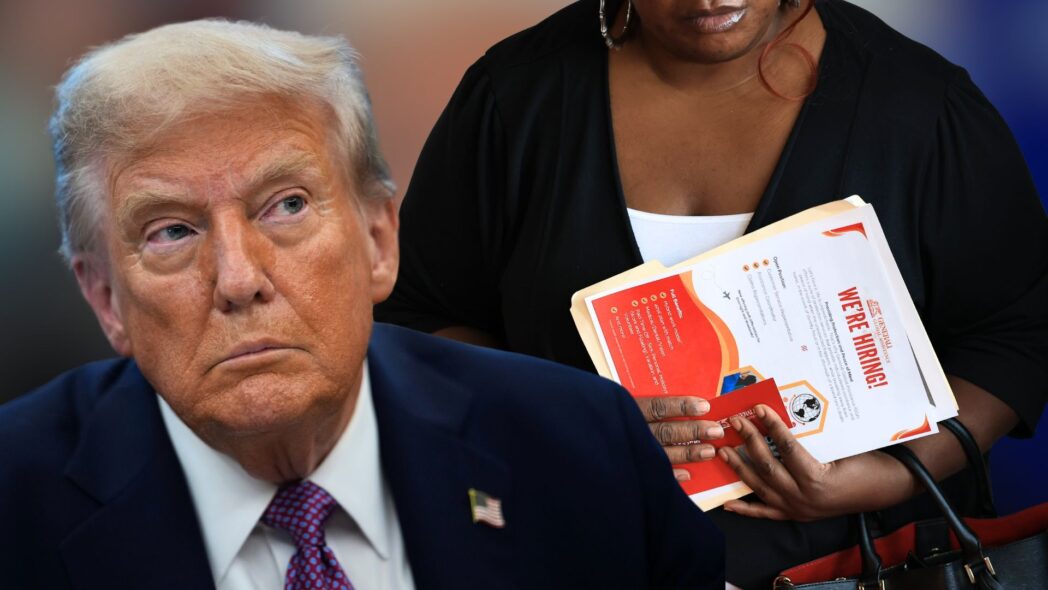
“A lot of this has been driven by Black women. Another factor is that the federal government continues to shed jobs, as this industry has shed over 300,000 jobs over the past year and a half,” said Ajilore.
Hanks similarly noted Trump’s cuts to the federal workforce, which has historically seen “larger shares of Black workers,” but also pointed to the president’s “deep and sustained attack on the federal civil rights infrastructure.” Trump notably signed executive orders rolling back civil rights era enforcement of racial discrimination protections through the Equal Employment Opportunity Commission (EEOC) and the National Labor Relations Board, potentially resulting in disruptions for Black workers.
However, Hanks emphasized that it’s hard to know exactly what the biggest effects of the high Black unemployment are, though she noted that Trump’s policies on the economy overall—his spending cuts, war in Iran, and global tariffs—are “hitting Black Americans the hardest.”
The rocky job market, disproportionately hurting Black Americans, should be something that concerns the entire country, as it could signal broader issues for the U.S. economy overall. However, that remains to be seen, and economists say it is difficult to project where things are headed.
But it’s not just joblessness that is hurting Black communities. Even Black workers who manage to find some form of employment find themselves struggling in the Trump economy.
An annual report from the Federal Reserve Bank found that the average income and net worth of Black households decreased in 2025.
Ajilore noted that while retail sales and consumer spending are rising despite an affordability crisis, it’s likely the result of households drawing down their savings or taking on long-term debt, including through financial services like buy now, pay later. Another factor in the shrinking of Black wealth is likely connected to the lack of Black business ownership, says the economist.
Hanks says a report released by The Century Foundation found that since 2022, more than half of every dollar earned by workers is going to debt, like credit cards, auto payments, and student loans. She told theGrio, “The numbers are much more troubling for Black workers.”
Workers are also not seeing raises, notes the economist.
“The job market is stagnant and you can’t move from job to job, which is one of the key ways that workers get a raise. So it’s both the kind of attacks on employment, but the kind of low hire, low fire job market that we’ve been in for quite a while,” said Hanks.
She said that is having an impact on Black workers and their wages, but also worker mobility overall.
Share
What's Your Reaction?
 Like
0
 Dislike
0
 Love
0
 Funny
0
 Angry
0
 Sad
0
 Wow
0