15 Caribbean music genres everyone should know and their origins
From reggae and soca to merengue and bouyon, here’s how these musical genres have shaped the region’s culture and influenced

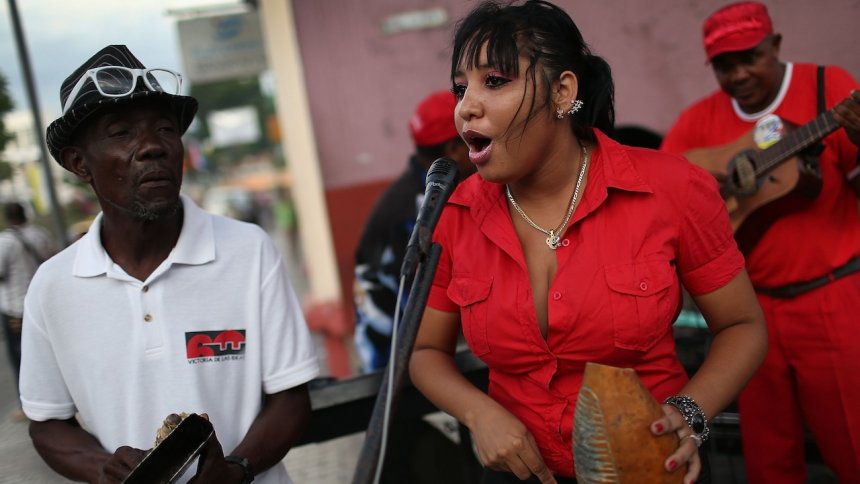
From reggae and soca to merengue and bouyon, here’s how these musical genres have shaped the region’s culture and influenced music globally.
Although Caribbean American Heritage Month has ended, there’s no better time to explore the sounds that have helped shape music worldwide.
The Caribbean has produced some of the world’s most recognizable music genres, from reggae and soca to salsa and reggaeton. Across the region, African, European and Indigenous influences blended over centuries to create sounds that continue to shape music worldwide.
From Carnival anthems to folk traditions passed down through generations, these 15 Caribbean music genres tell the story of the people and cultures behind them.
1. Reggae (Jamaica)
Reggae emerged in Jamaica in the late 1960s, evolving from ska, rocksteady and mento while drawing on Rastafari philosophy and African musical traditions. The genre became known for its socially conscious lyrics and messages of justice, identity and resistance, with artists like Bob Marley helping turn reggae into a global movement, according to the Smithsonian Center for Folklife & Cultural Heritage.
2. Soca (Trinidad and Tobago)
Soca was created in the early 1970s by musician Lord Shorty, the ‘Father of Soca.” He described the genre as the “Soul of Calypso.” Soca blends calypso with East Indian and African musical influences and has become synonymous with Carnival celebrations throughout the Caribbean. Its high-energy sound continues to evolve while remaining a staple of festivals across the region, according to Google Arts & Culture.
3. Dancehall (Jamaica)
Dancehall emerged in Jamaica during the late 1970s and early 1980s as a faster, DJ-driven evolution of reggae. The genre introduced digital production, energetic rhythms and lyrical styles that later influenced hip-hop, Afrobeats and pop music. Artists such as Shabba Ranks, Beenie Man and Sean Paul helped bring dancehall to international audiences, Reggae Genealogy reported.
4. Calypso (Trinidad and Tobago)
Calypso traces its roots to West African storytelling traditions brought to Trinidad during the trans-Atlantic slave trade. Singers used witty lyrics, satire and social commentary to discuss politics and everyday life, earning the genre a reputation as the “people’s newspaper.” Artists, including The Mighty Sparrow and Harry Belafonte, helped introduce calypso to global audiences, according to the Smithsonian Center for Folklife & Cultural Heritage and From Trinidad and Tobago to the World: Determining the role of Calypso in a new Era.
5. Reggaetón (Panamá, Jamaica and Puerto Rico)
Reggaeton’s origins span both Panama and Puerto Rico. In the 1980s, Afro-Panamanian artists first created reggae en español by adapting Jamaican reggae into Spanish. When the sound reached Puerto Rico, musicians blended it with hip-hop, dancehall and Latin rhythms to create the modern reggaeton movement that emerged in the 1990s. Artists like Daddy Yankee, Ivy Queen and Don Omar later helped turn it into a global phenomenon, the Marquette Wire reported. 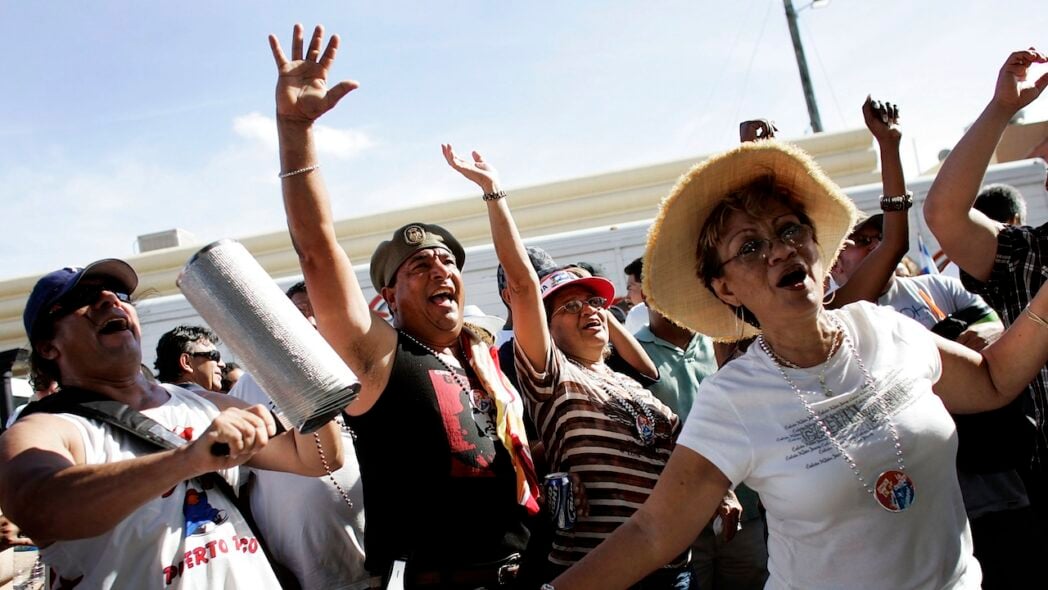
6. Salsa (Cuba, Puerto Rico and New York City)
Salsa traces its roots to Cuba and Puerto Rico before gaining widespread popularity in the United States during the 1940s and 1950s, particularly among Puerto Rican communities in New York City. Blending Afro-Cuban rhythms with jazz and son, the genre became a global dance phenomenon through artists such as Tito Puente, Celia Cruz and Héctor Lavoe, according to EBSCO.
7. Bachata (Dominican Republic)
Bachata emerged in the Dominican Republic during the 1960s, rooted in the countryside before taking shape in the shantytowns of Santo Domingo. Long associated with poor and Black Dominicans, the guitar-driven genre was once stigmatized as music of the margins. Artists like Juan Luis Guerra, Johnny Ventura, Aventura and Romeo Santos later helped bring bachata to audiences around the world, per WLRN and ReVista (Harvard Review of Latin America).
8. Merengue (Dominican Republic)
Merengue emerged in the Dominican Republic during the 19th century, blending African rhythms with European musical traditions. Over time, the lively dance music evolved from a rural folk style into a national symbol of Dominican identity before gaining international recognition through artists like Johnny Ventura, Wilfrido Vargas and Juan Luis Guerra, according to Gettysburg College.
9. Kompa (Haiti)
Kompa was created in Haiti during the 1950s by saxophonist and bandleader Nemours Jean-Baptiste. Blending African rhythms with Caribbean and European musical influences, kompa became Haiti’s signature dance music and continues to influence artists throughout the Caribbean and beyond,Master Class reported.
10. Zouk (Guadeloupe and Martinique)
Zouk emerged in the French Caribbean during the early 1980s and was popularized by the band Kassav’. Combining Caribbean rhythms with modern production, the genre quickly spread throughout the Caribbean, Africa and Europe, inspiring numerous musical styles along the way, Britannica reported.
11. Mento (Jamaica)
Long before reggae became a global phenomenon, mento was Jamaica’s popular folk music. Rooted in the island’s era of slavery, the genre blended African and European influences before later incorporating elements of Trinidadian calypso. Mento laid the musical foundation for ska, rocksteady and eventually reggae, per the Smithsonian Center for Folklife & Cultural Heritage.
12. Ska (Jamaica)
Ska emerged in Jamaica during the late 1950s as musicians blended North American rhythm and blues with jazz and Afro-Jamaican rhythms. Its upbeat tempo reflected the optimism surrounding Jamaica’s independence, while its sound systems helped launch artists who would later shape reggae, including Bob Marley and the Wailers, the Smithsonian Center for Folklife & Cultural Heritage reported.
13. Plena (Puerto Rico)
Plena emerged in Puerto Rico between the late 19th and early 20th centuries, blending African and Puerto Rican musical traditions. Originally embraced by working-class communities to share news, tell stories and criticize the government, the genre became known as el periódico cantado or “the sung newspaper.” Today, plena remains an enduring symbol of Puerto Rican culture, per Masters Class.
14. Bouyon (Dominica)
Bouyon originated in Dominica during the 1980s when the band WCK blended cadence-lypso, jing ping and electronic music into a new sound. Since then, bouyon has spread throughout the Eastern Caribbean and continues to evolve with younger artists while remaining deeply connected to Dominican culture, according to Billboard.
15. Son Cubano (Cuba)
Son cubano originated in eastern Cuba in the late 19th century by blending Spanish melodies and guitar with African rhythms and percussion. As musicians brought the genre to Havana in the early 1900s, it grew into one of Cuba’s defining musical styles and later became the foundation for salsa and other Afro-Latin genres, according to Cuba 50.
Share
What's Your Reaction?
 Like
0
Like
0
 Dislike
0
Dislike
0
 Love
0
Love
0
 Funny
0
Funny
0
 Angry
0
Angry
0
 Sad
0
Sad
0
 Wow
0
Wow
0







![Prediction [Billboard 200]: Miley Cyrus’ ‘Bass Persuades’ on Track to Deliver Her Lowest First-Week Sales to Date](https://thatgrapejuice.net/wp-content/uploads/2026/09/miley-cyrus-thatgrapejuice-2026-new-song.jpg)